Defining Aqueous Vitality
The transition from mechanical androids to biological synthetics was made possible by the development of **L-Type Bio-Fluid (L-BF)**. This complex, milk-white aqueous solution is the functional equivalent of blood for a Weyland-Yutani synthetic unit. However, while human blood is optimized for simple oxygen transport and nutrient delivery, L-BF is a multi-modal lubricant, coolant, and data-conduction medium.
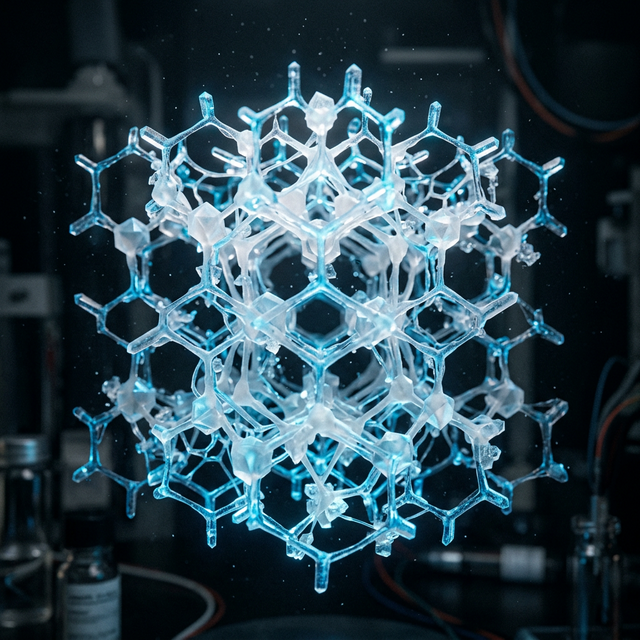
The core of L-BF is a suspension of **Silicon-Carbon Hybrid Polymers** that possess a high thermal capacity and a unique 'Memory-Lattice' structure. This allows the fluid to maintain its viscosity across a temperature range of -150°C to +400°C, ensuring that a synthetic can remain operational on the surface of a frozen moon or in the engine room of a derelict vessel. It is the lifeblood of our tireless workforce.
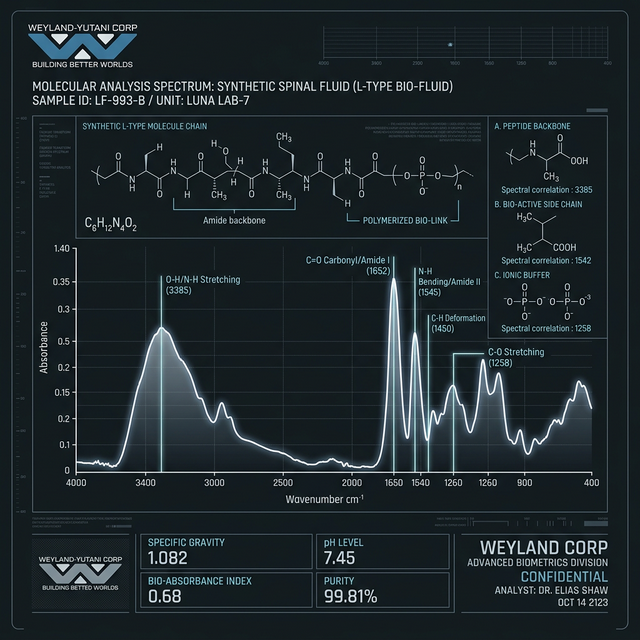
[ FIG 7.2: MOLECULAR STRUCTURE OF L-TYPE POLYMERS ]
SYSTEM STATUS: SCAN COMPLETE // VISCOSITY: 1.2CP
Managing the Heat of Logic
Processing millions of heuristic variables every second generates a tremendous amount of internal heat. Without the L-BF, a synthetic's internal processors would melt within minutes of activation. The fluid acts as a **High-Efficiency Heat Sink**, drawing thermal energy away from the core and dispersing it through the unit's skin via transpiration-mimicry.
This is why synthetics often feel cold to the touch; their internal circulation is constantly pulling heat away from the surface to protect the delicate neural-poly cells. In extreme cold environments, the L-BF can also be used as a heat *source*, utilizing the unit's own metabolic fuel-cell energy to prevent the mechanical joints from freezing. It is a perfect internal radiator.
Avoiding Corporate Decay
The chemical stability of L-BF is critical for unit longevity. Over time, the breakdown of polymers can lead to 'Fluid Acidification', which can corrode internal fiber-optics and lead to behavioral 'Twitch' or total system failure. Weyland units are equipped with internal **pH-Stabilization Filters** that constantly scrub the fluid of contaminants.
Unit maintenance requires a full fluid-cycle every 24 standard months. During this process, the old L-BF is drained and analyzed for 'Cognitive Residue'—signatures of neural stress that can indicate a unit is approaching its operational expiration date. We don't just change the oil; we audit the machine's history.
Respiration without Lungs
While synthetics do not 'breathe' in the biological sense, their internal fuel cells require a constant supply of oxygen to maintain elective power. The L-BF utilizes **Perfluro-Carbon (PFC) Clusters** to trap and transport oxygen molecules absorbed through the unit's skin or lungs. This allows a synthetic to operate in a vacuum or a toxic atmosphere for several hours without an external air supply.
This 'Respiratory Autonomy' is a key advantage in EVA operations, allowing our units to perform critical repairs in environments where no human could survive. The fluid simply holds the breath that the machine doesn't need to take.
The Path to Perfection
The history of L-Type fluid is a history of corporate refinement. The original A2-Generation units utilized a highly volatile latex-based solution that was prone to clotting. By the David-8 series, we had moved to a semi-biological protein-chain. Our current **Walter-Class L-BF** is the pinnacle of this evolution—a purely synthetic, indestructible medium that provides the closest approximation of life ever achieved by science.
At Weyland-Yutani, we are not just designing fluids; we are designing the essence of the future. The L-Type solution is the milk of the stars, nurturing the digital children who will lead us into the next century.
— Dr. John Kane, Senior Bio-Synthetic Chemist, Weyland Corp